OUSVOW Jewelry — E-commerce for a Luxury Brand
OUSVOW is a jewelry house founded in 2016, working in 18k gold, natural diamonds and coloured gemstones, with an avant-garde design language they describe as a parallel four-dimensional aesthetic system.
Selling that online is not the same problem as selling most things online.
The problem
Luxury e-commerce inverts the usual rules.
A normal store optimises for speed to purchase — fewest clicks, least friction, buy now. Applied to a diamond ring, that produces something that feels like buying batteries, and the customer does not buy. Not because the interface failed, but because it succeeded at the wrong thing.
The customer here is not comparing prices. They are deciding whether this house is serious — whether the craftsmanship in the photographs is real, whether the design philosophy is a philosophy or a marketing line, whether a piece at this price from a site they found last week is a thing a sensible person does.
So the site's job is not efficiency. It is to give the work room to be looked at, and to feel like an extension of the object rather than a mechanism for shipping it.
What we built
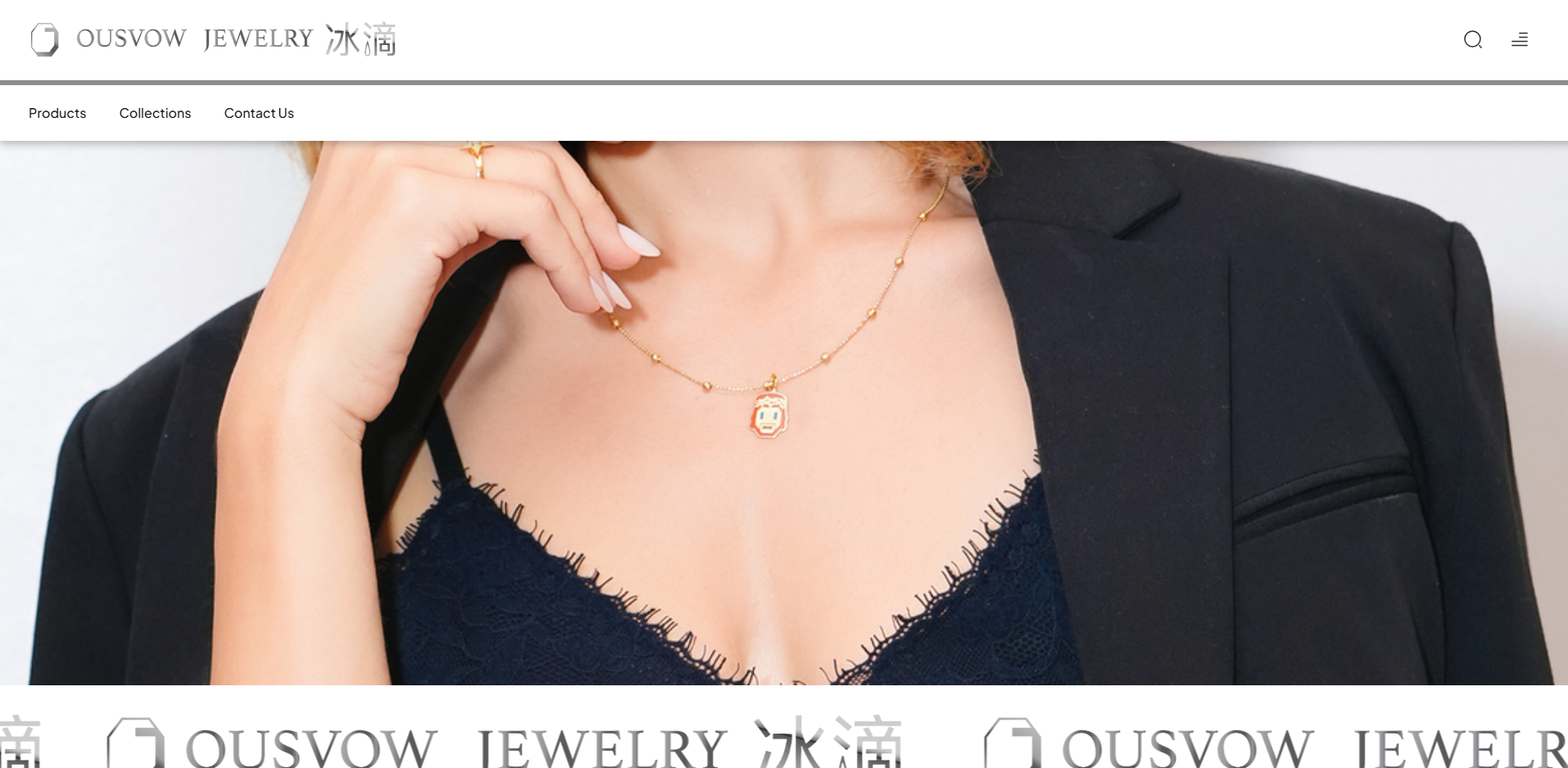
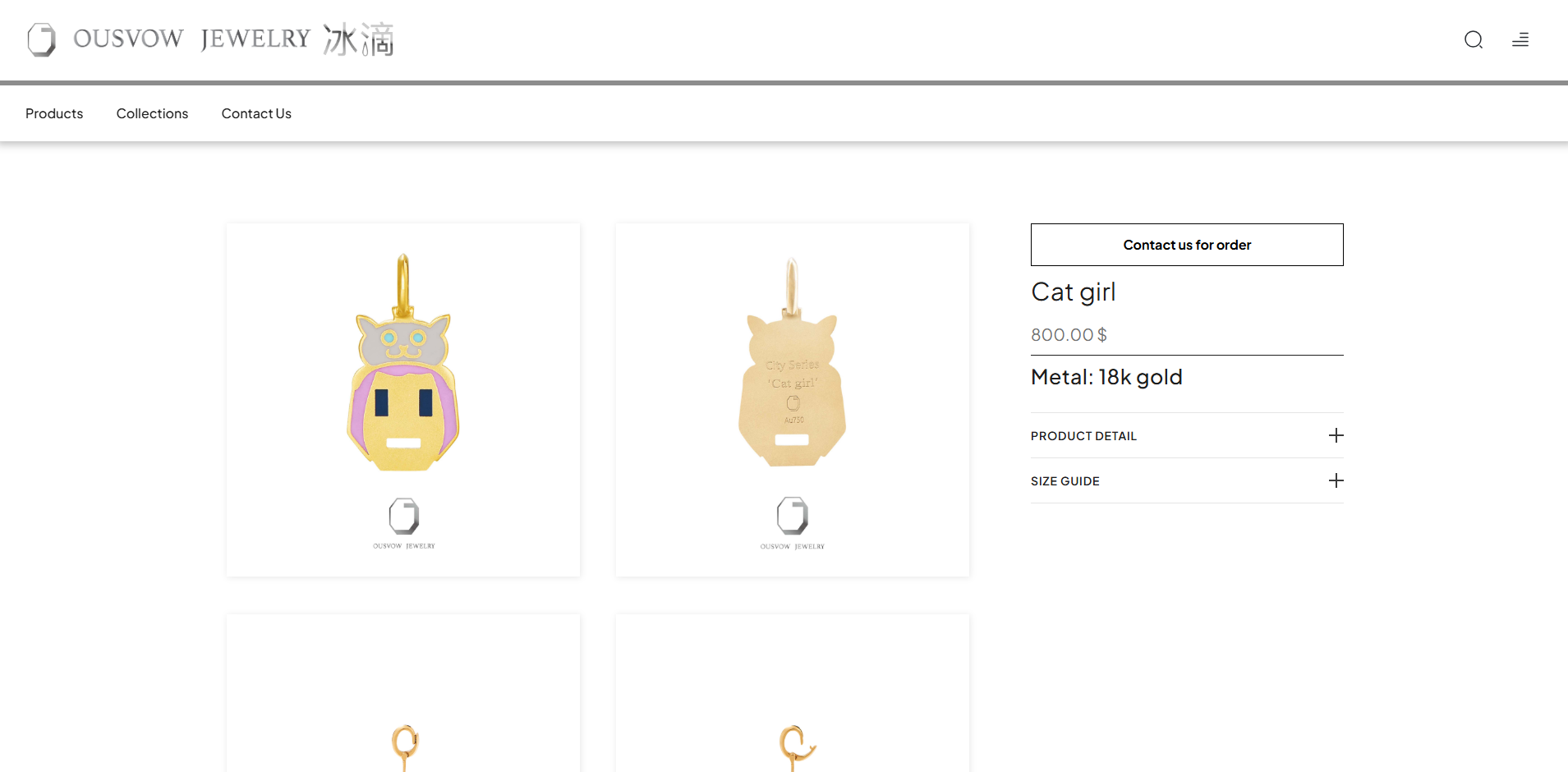
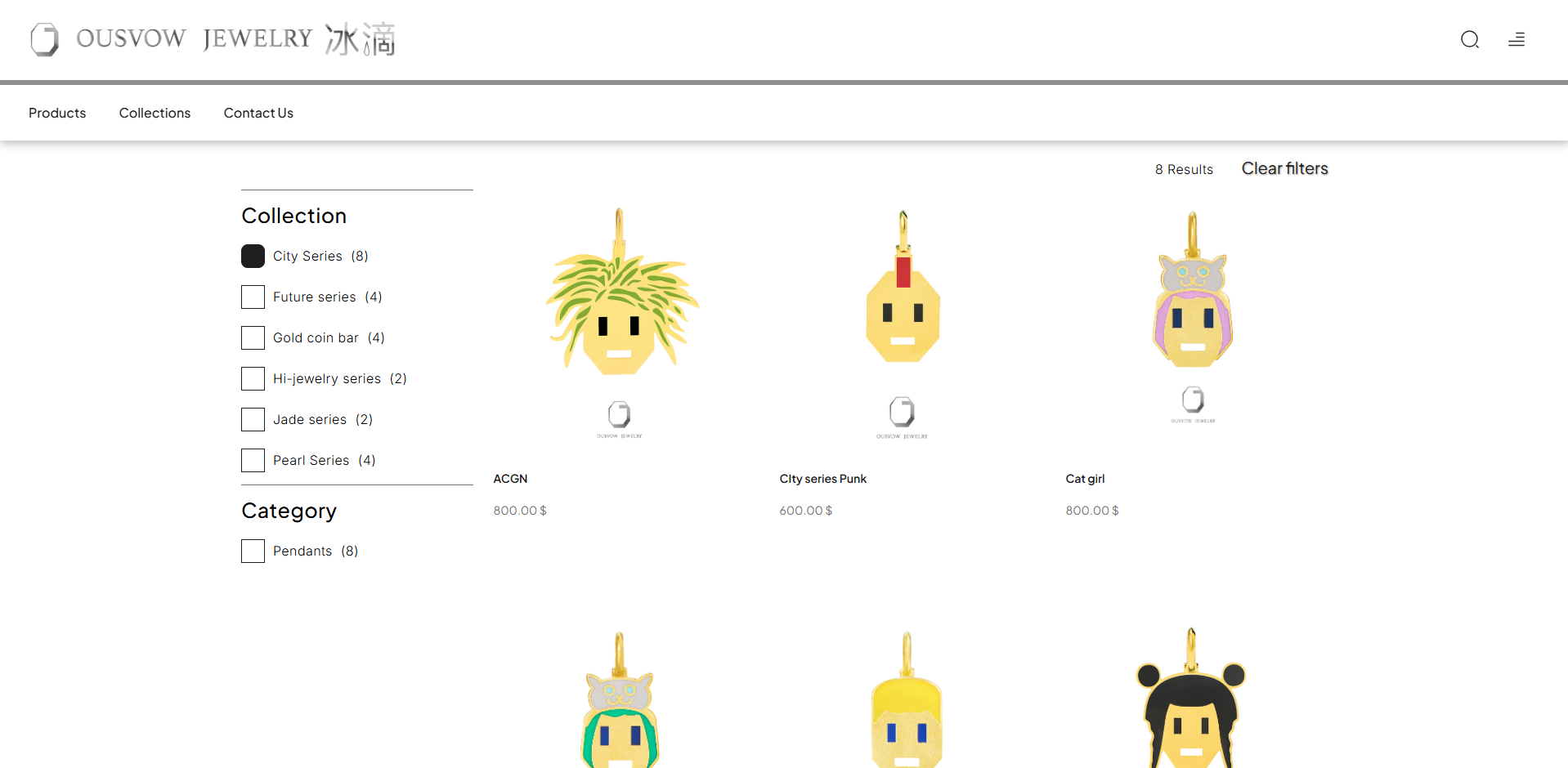
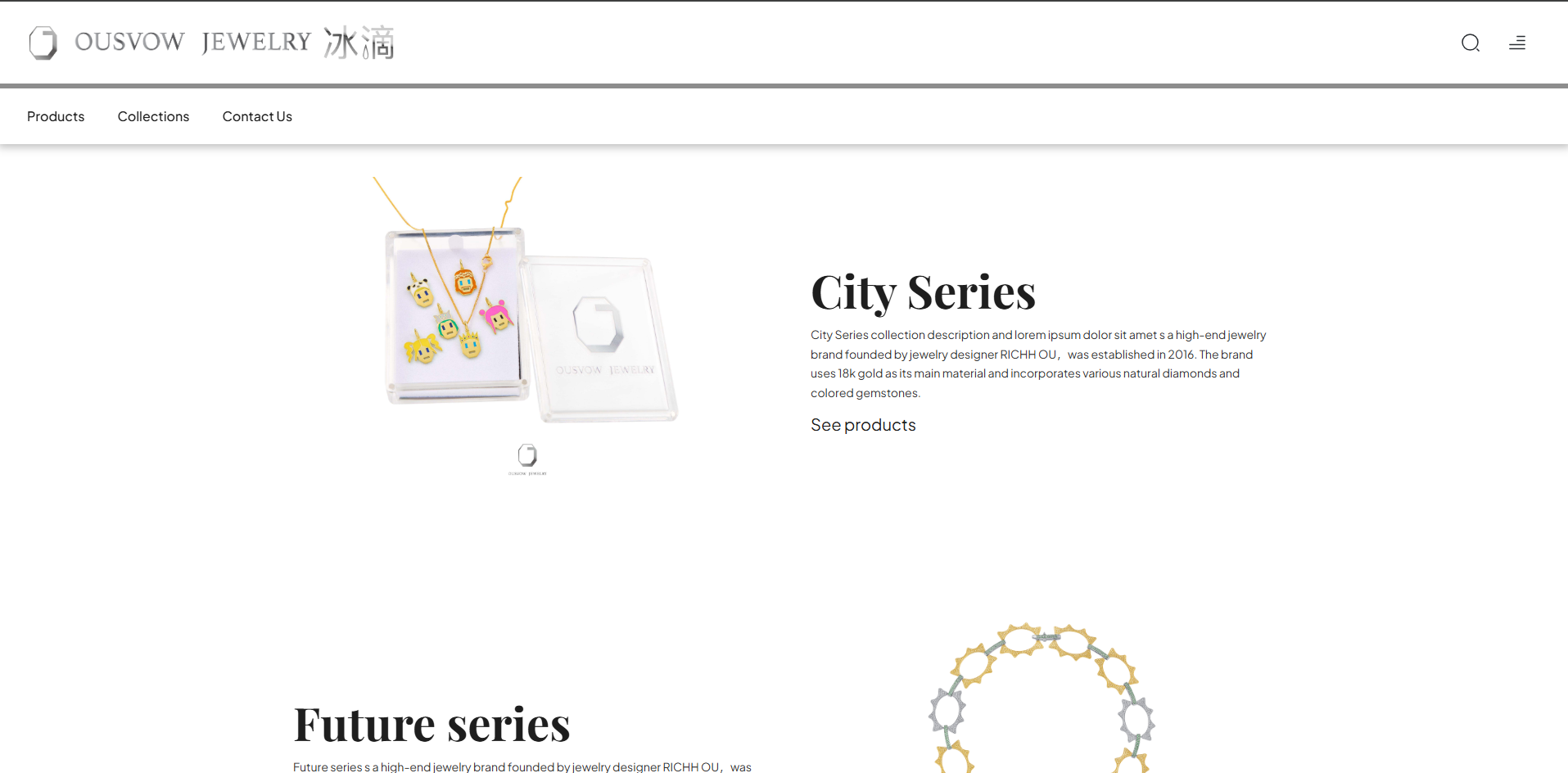
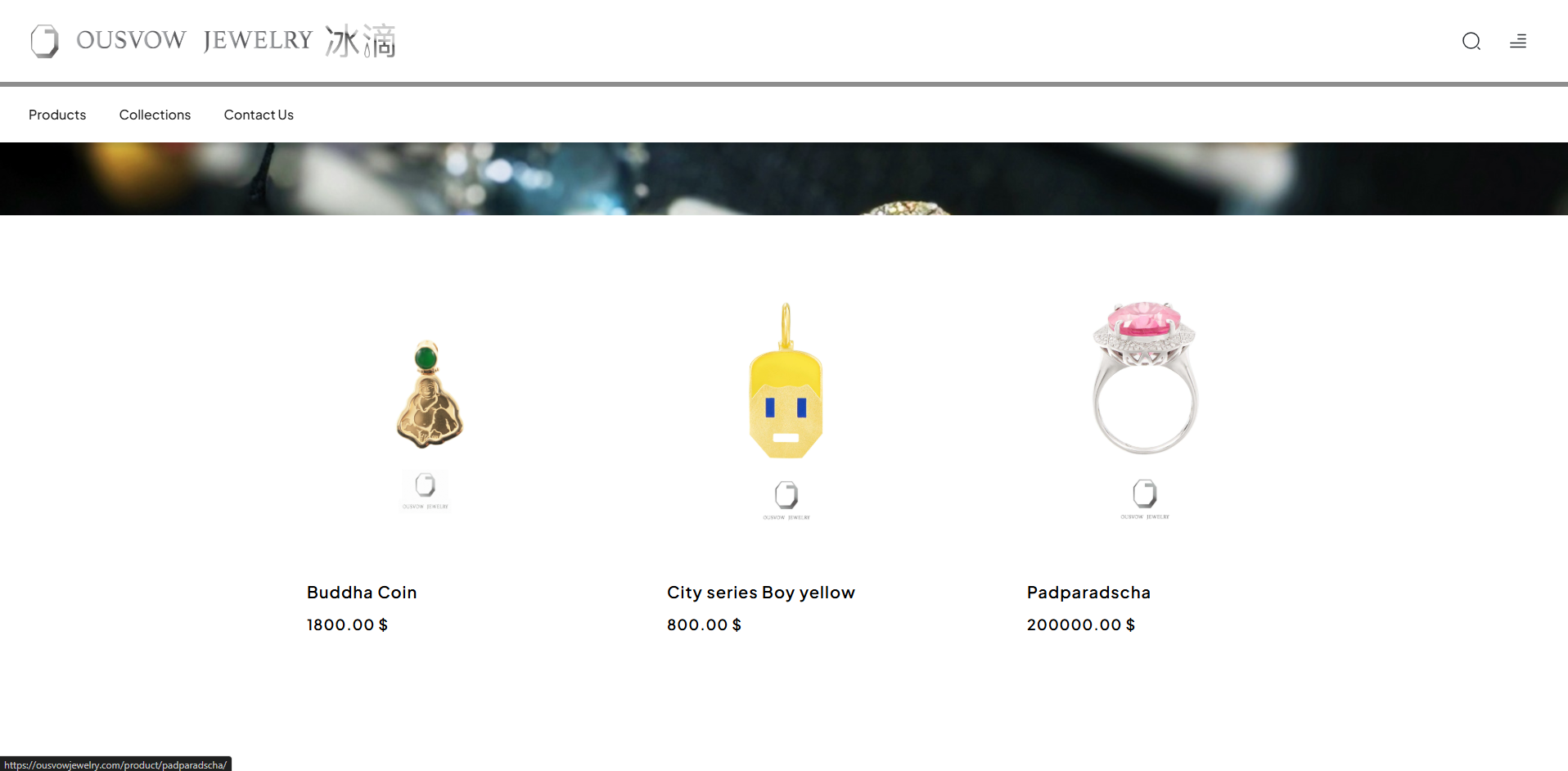
A store designed around the pieces. Layout, spacing and pacing built so the photography carries the page. In this category the product images are the argument; everything else exists to not interrupt them.
Responsive from the start, not retrofitted. A jewelry buyer browses on a phone in the evening. If the piece only looks right on a desktop, the site only works for the minority of visitors who arrive at a desk.
A custom CRM. Content and order management built for how OUSVOW actually work — adding a new piece with its photography and details is a task their team does, not a support request.
Infrastructure configured and deployed on a VPS, tuned for performance and security.
Full QA before launch. Functional and usability testing by our QA engineer — every path through the site, on real devices, before a customer found the problems for us.
How it ran
I handled this one end to end personally: first contact with the client, requirements, the agreement, and then the coordination between the client, our designer and our QA engineer through planning, development and deployment.
That is worth saying plainly, because it is the actual difference in how a small studio works. There was no account manager relaying the brand's aesthetic to a designer who had not heard the client describe it. The people making decisions were in the conversation where the decisions were explained.
Result
A premium storefront that presents the work at the standard the work deserves, an admin system the client operates themselves, and infrastructure that holds up — delivered by a team small enough that nothing got lost between the brief and the build.
Built by DAKER — project management, design coordination, development, QA, deployment.